
What If Independent Math Didn’t Require Rotations?
I used to run math centers. And here is why I quit doing math centers.
You know the kind: color-coded bins, laminated task cards, a timer for rotations, and a clipboard checklist to keep track of who went where.
It looked great in theory. But in real life? It was chaos.
Half the class was confused, the other half was done in two minutes, and I spent most of my time managing transitions instead of working with students. Prep took hours every week, and by October, I was already burned out.
Eventually, I asked myself a hard question: What if I quit doing math centers altogether?
Turns out, I didn’t need rotations to run a strong math block. In fact, once I let go of that structure, independent math time became simpler, calmer, and more effective—for me and my students.
In this post, I’m sharing why I quit doing math centers, how I restructured my math block without losing instructional time, and the go-to tools I use now to keep things running smoothly.
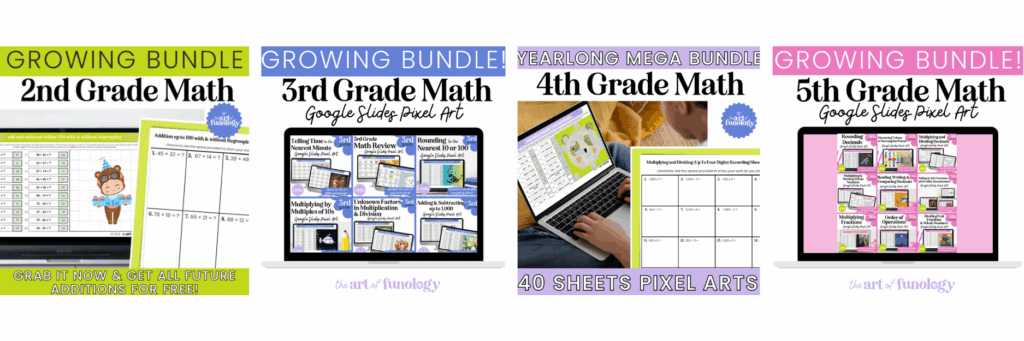
One of the biggest game-changers for me? Pixel art math activities—they’re self-checking, digital or printable, and a perfect fit for independent practice that doesn’t require rotations.
Want to try it as you read? Click here to grab a free pixel art activity for grades 2–5 and see how it works in your classroom.
Why I Quit Doing Math Centers (and What I Do Instead)

In my first few years of teaching, I did it all.
I had the bins. The laminated game boards. Task cards printed, sorted, and rubber-banded by standard. Every week, I spent hours prepping rotations for math workshop—because that’s what we were supposed to do.
But no matter how organized I tried to be, it never quite worked.
Students finished at wildly different speeds. Transitions weren’t terrible, but it was still precious learning time. I spent too much time putting out little fires—redirecting, reteaching, re-explaining directions I had already modeled.
I was exhausted from the prep. Frustrated with the chaos. And too often, I felt like I was missing opportunities to actually connect with my small group students.
Eventually, I realized something: It wasn’t me. it was the system.
Even though I believed in small group instruction, the rotations and rigid center model just weren’t sustainable. Being trapped in a tight schedule and only being able to see certain students certain days of the week, instead of when needed, just wasn’t going to cut it.
So I stopped.
That’s right. I stopped using math centers in the traditional sense. And nothing fell apart. In fact, my math block got stronger, more focused, and more flexible.
This post isn’t about bashing centers or math workshop. It’s about offering alternatives to math workshop that still prioritize targeted instruction without the daily chaos or color-coded everything.
What I Do Instead: My Simple Independent Practice Routine
After stepping away from rotations and traditional math centers, I didn’t throw out the whole idea of small groups—I just changed how I structure my block.
Now, my math time is simple, consistent, and actually sustainable.
Here’s what it looks like:
- Start with a quick whole-group mini-lesson
We focus on one skill or strategy, usually 10–15 minutes max. I model, we do a few examples together, and then I release them to work. - While I pull small groups, the rest of the class works independently
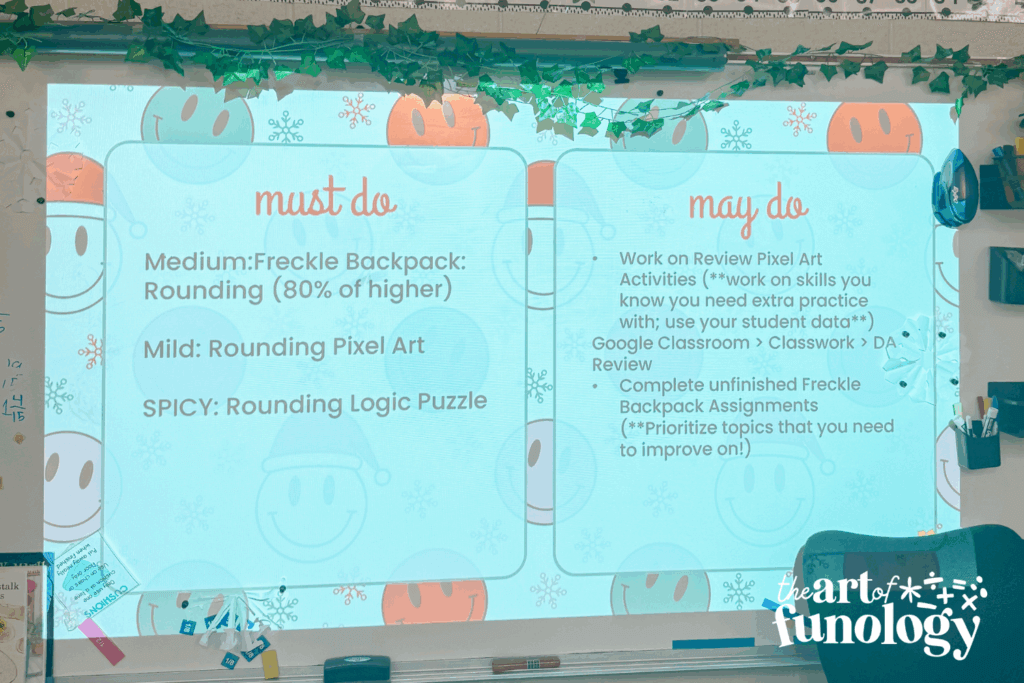
But instead of rotating through centers, students follow a “Must Do / May Do” list. Everyone starts with a must-do (like a practice assignment or pixel art task), and early finishers move on to a choice board or math fluency game. - The key? Focused, quiet, self-checking work
There are no bins to rotate through. No chaos in the transitions. And no students raising their hands every two minutes asking, “What do I do next?”
That’s where pixel art math activities come in.
They’re:
- Predictable (students know the format)
- Engaging (hello, mystery image)
- Independent (built-in self-checking = no interruptions)
Plus, they come with printable recording sheets when I want extra accountability or when I need a low-tech backup.
This new routine has made my math block smoother, quieter, and way more effective—without sacrificing small group time or differentiation.
How Pixel Art Helps This System Work
Let’s be real: even the best independent routine can fall apart if the activities aren’t student-friendly.
What made this shift actually stick for me was finding tools that didn’t require constant hand-holding—and still kept my students engaged.
Pixel art math activities do exactly that.
Here’s why they’re the backbone of my independent math time:
-
Self-Checking = Fewer Interruptions
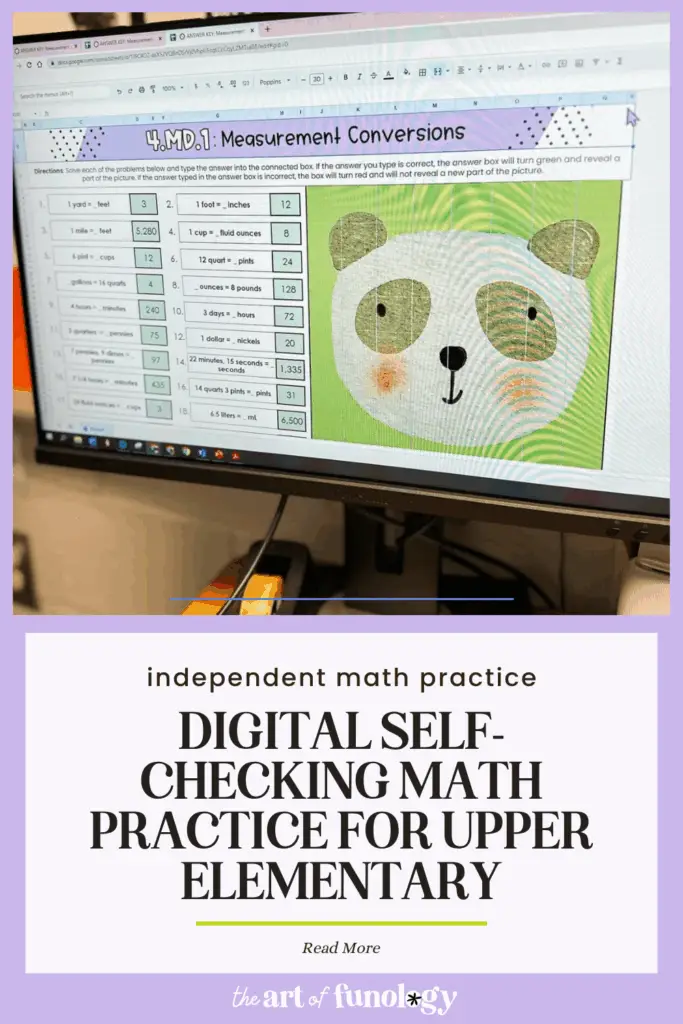
Students get instant feedback. They know whether they’re on the right track without needing to ask, “Did I do this right?” every three minutes. This keeps small group time sacred—and calm.
-
Built-In Motivation
Each correct answer reveals part of a mystery picture, which creates a sense of momentum. Students stay on task longer because they want to finish the image. That little dopamine hit of color? It works.
-
No Prep = Consistency
These activities are digital and ready to go. I don’t have to plan five new centers or prep manipulatives. If I want something extra, I print the optional recording sheet. Done.
-
Digital or Printable = Flexibility
Whether you’re a 1:1 classroom or navigating a mix of devices and paper, pixel art fits. Students can work online or on paper with the printable sheets, so no one’s left out due to tech limits.
And honestly? The biggest win?
My students ask for more math practice. I’ve had fifth graders finish one and immediately ask, “Can I do another one?”
It’s consistent. It’s engaging. And it helps make independent math practice actually work—without the center chaos.
Want to try it out? Click here to grab the free pixel art math activity for grades 2–5 and use it during your next math block.
FAQs: Do I Have to Ditch Math Centers?
If the idea of quitting math centers makes you sweat a little, I get it. I used to feel the same way. This isn’t about being anti-centers. It’s about building a system that works for you and your students.
Here are a few common questions I get when I share my current routine:
Can I use pixel art alongside traditional centers?
Absolutely. Pixel art math activities work beautifully as a center rotation—especially if you’re looking for a low-prep, self-checking option that doesn’t require constant explanation. You don’t have to quit centers cold turkey. You can gradually blend both approaches. They also make a great tech center option!
What if I actually like doing rotations?
You do you! If rotations are working for you and your students are thriving, no need to change what’s not broken. This post is for anyone who’s feeling the burnout or looking for alternatives to math workshop that require less prep and less chaos.
Will this work for students who are below grade level?
Yes! Pixel art can be assigned by skill, not just by grade. You can easily differentiate by choosing the version or topic that meets your students where they are. Plus, the built-in self-checking helps catch errors early—without feeling like remediation.
How do I keep students accountable with digital activities?
Each pixel art resource includes a printable recording sheet, so students show their work while completing the activity. You can also have them submit a screenshot, reflect on their strategies, or check in during small group time.
Want to test it out? Grab the free pixel art activity here and see how it fits into your math block—rotations or not.
Wrapping It Up: You Don’t Have to Do It All

If math centers have been leaving you overwhelmed, it’s okay to step back.
You’re not failing your students by simplifying. You’re actually making more room for focus, growth, and connection.
Independent math time can absolutely work without rotations, timers, or daily chaos.
You don’t need five activities for every standard. You just need one solid system that supports your goals and your sanity.
Pixel art has become that system for me. It’s low-prep, student-friendly, and easy to use across skills and grade levels.
Ready to try it out? Click here to grab your free pixel art math activity and see how it works in your classroom.
Want everything done for you? Explore the full-year bundle of pixel art math activities on TPT and simplify your math block from day one.